
Rethinking restoration
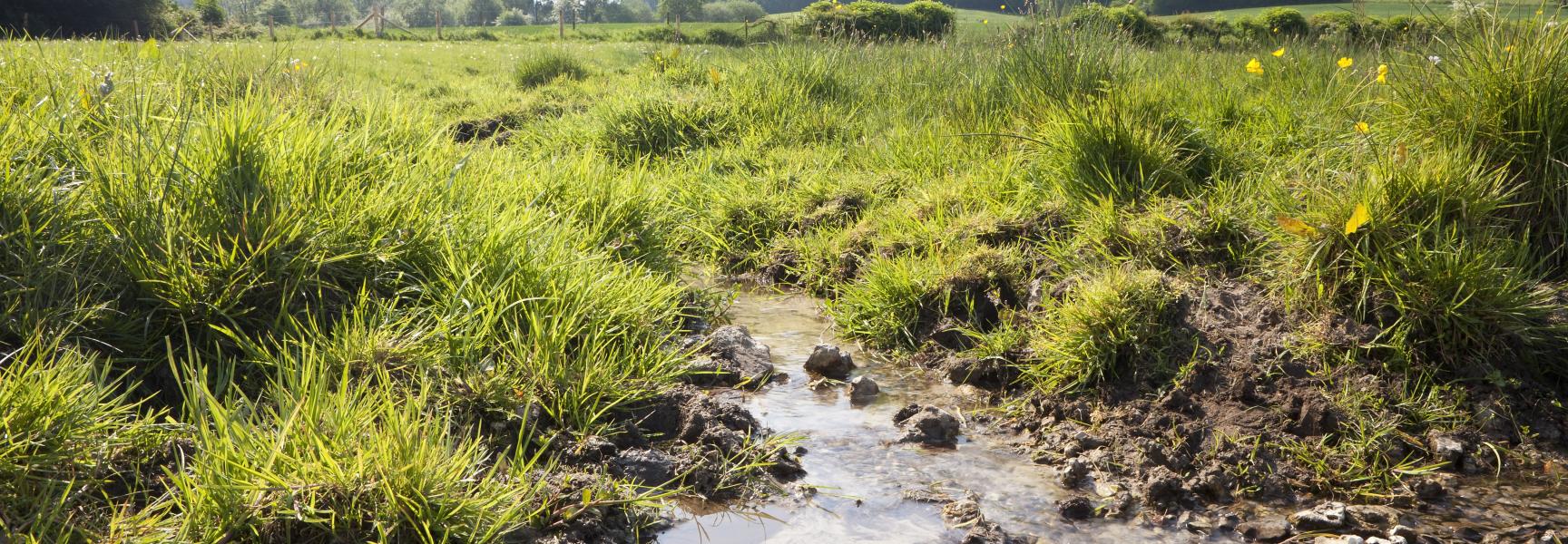
When the opportunity arose to work on landscape restoration with ARK Rewilding Nederland, I jumped on it. My main task was to help ARK, assess the impact of rewilding efforts in Southern Limburg. ARK aims to make the area more resilient to weather extremes highlighted by the previous flooding events, especially in 2021. Rewilding restores landscapes and the natural processes of vegetation growth, water infiltration and water holding capacity in soils. This will ensure that during rainfall events, rainwater is slowed down, reducing runoff and erosion.
As I compare my experience in Kenya and with ARK, I discovered a completely different approach. They purchase parcels of land, plant hedges, and reintroduce grazing cattle—not for milk or meat, but purely to shape the vegetation through their natural behavior. The best restoration happens when you introduce grazing and let the herd do the landscaping.
My mission: can satellites see rewilding?
My internship had a simple question at its core: can we use satellite data to prove that ARK's nature-based interventions—water retention dams, adaptive grazing regimes, vegetation restoration—are improving the soil moisture? After the devastating 2021 floods, Southern Limburg needed answers. Not just "we think this is working" but "here's the data showing it's working."
Working with Google Earth Engine, Python and University of Twente Cloud Computing platform (CRIB) with a curiosity I dived into work to answer the questions.
The power (and limitations) of free satellite data
I believe in democratization of data and at any opportunity I use free open-source data. The most important aspect of this project was using entirely open-source data- and needed to use data from 2014 to 2025. Herein comes NASA's Harmonized Landsat-Sentinel imagery, a unique dataset that ensures frequent acquisition of satellite data of 2-3 days repeat time. This was for use in vegetation analysis while for soil moisture, the European Space Agency's Sentinel-1 radar came in handy as it penetrates the soil up to ~6cm and is importantly independent of cloud cover. On precipitation I used the Dutch meteorological records from KNMI.
For NGOs like ARK, this is transformative. You don't need a million-euro budget to monitor your landscape for over a decade. The data is free, the tools (Google Earth Engine, Python, Google Colab) are free, and the methods are reproducible.
But here's the catch: free data lacks the fine detail that commercial satellites provide. My pixels captured details at a scale of 10-30 meters, and the time of capture might either be before or after a rainfall event making the correlation troublesome. Also, for deep infiltration analysis, that is invisible to satellite and that’s where field sensors are essential to complement.
The lesson from the analysis is that open-source remote sensing is incredibly powerful for landscape-scale patterns—but it can't replace boots on the ground. It tells you where to focus on your field work, not whether you need field work.
Intriguing patterns
I expected a simple story: more vegetation = more soil moisture = rewilding success. But that wasn’t the case with some areas having increased vegetation growth with declining soil moisture or the reverse.
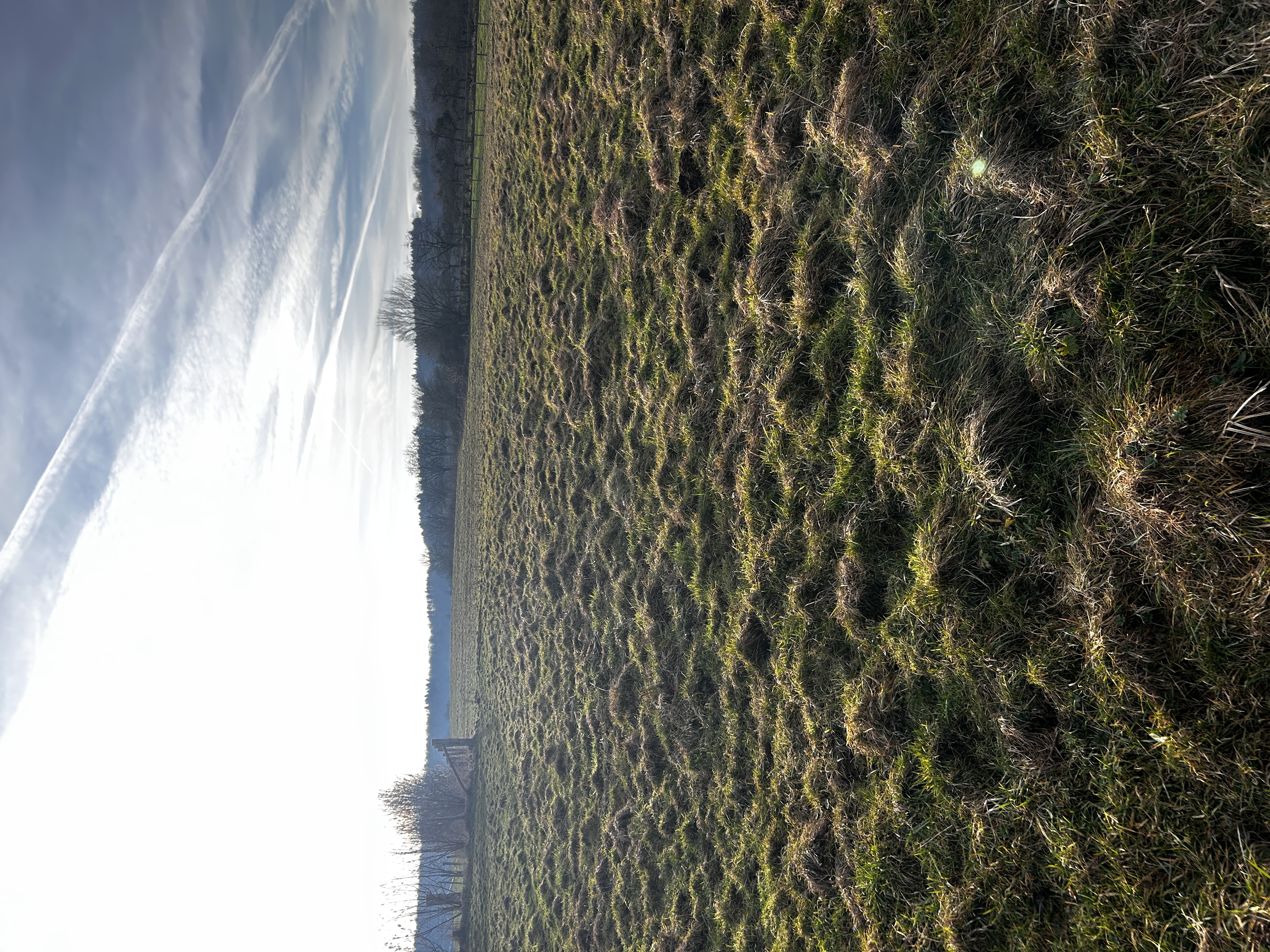
Another fascinating discovery involved the rough, uneven surface of rewilded areas. During winter dormancy, dead biomass covers the ground, which satellites often register as “unhealthy vegetation.” Yet beneath that protective layer, living plants simply rest. This surface roughness benefits the ecosystem by slowing runoff during rainfall events and increasing water infiltration.
Satellite analysis clearly detect the seasonal and structural changes in the landscape, but it cannot reveal the underlying processes that drive them. The next questions, therefore, are when and what type of change occurs—and how moisture moves through the soil. Do the damp zones near dams indicate faster or slower runoff? Are infiltration rates high or low? Answering these questions requires soil hydrology analysis: tracing how water moves through different layers, how quickly it infiltrates, and where it travels once it enters the ground.
Workshop insights
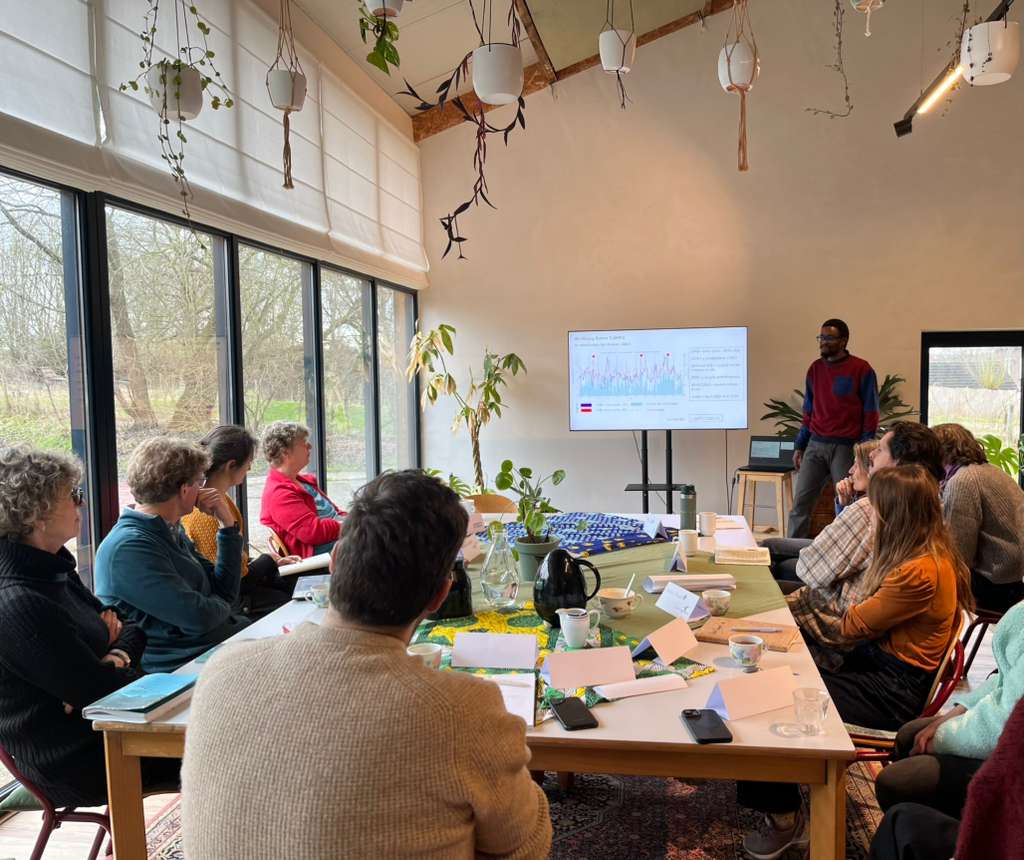
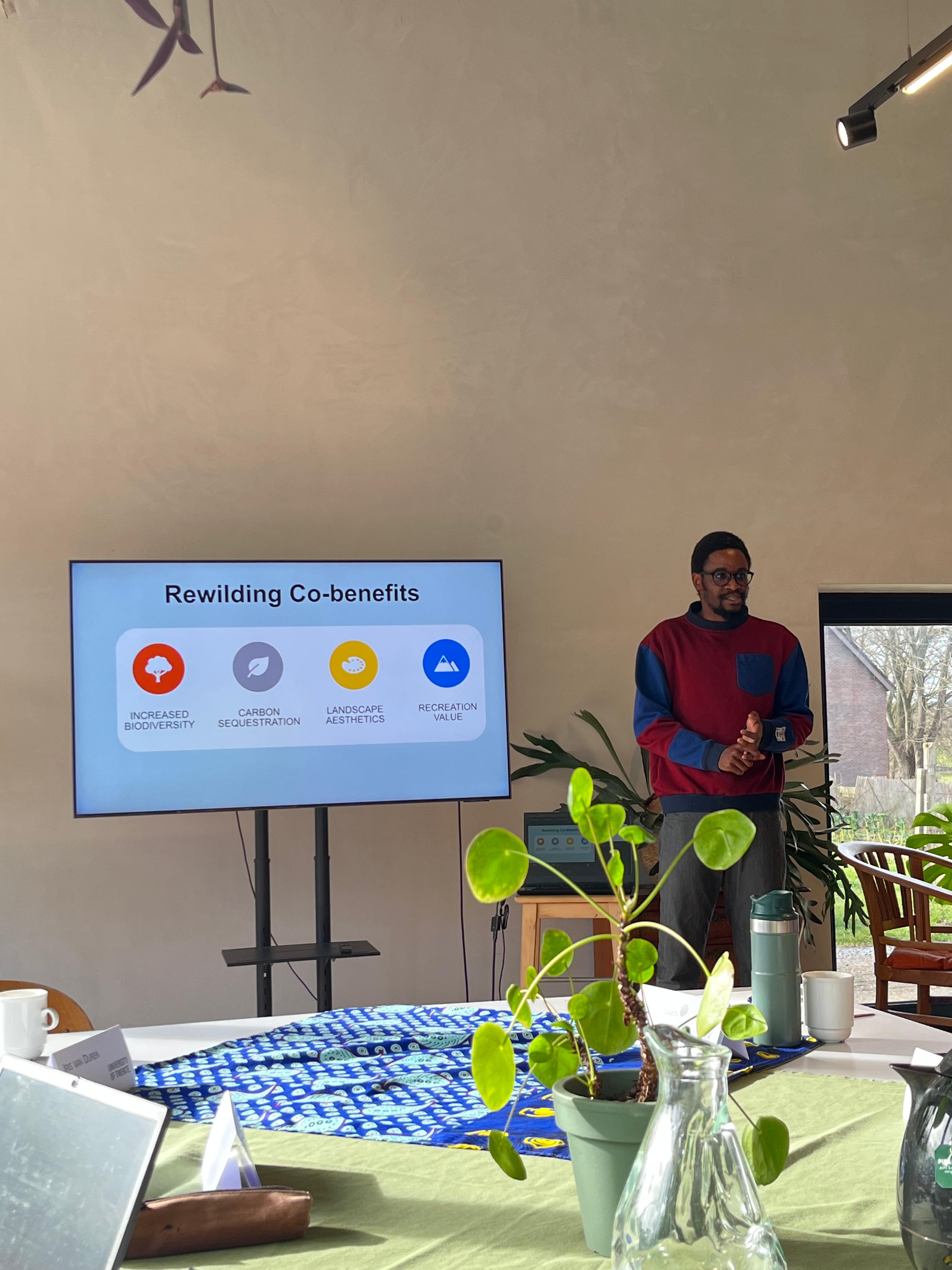
The coalition Natuurkracht, who focuses on natural solutions to flooding, organized a workshop that drew strong participation and valuable feedback. Attendees engaged with both the potential and the limits of satellite monitoring, emphasizing that remote sensing excels at mapping large-scale patterns over time but must be paired with field verification. Understanding processes such as infiltration or subsurface flow demands collaboration with field researchers and deploying soil sensors at strategic sites. Participants also noted that monitoring Nature-based Solutions becomes more effective when local communities and citizen scientists contribute to data collection, ensuring consistent observation and shared ownership of rewilding efforts.
Integrated monitoring
Open-source remote sensing effectively documents vegetation transformation across landscapes but cannot capture subsurface hydrological processes critical to flood-mitigation outcomes. A robust evidence base therefore requires combining satellite data with targeted fieldwork. When local volunteers conduct vegetation surveys, photograph dam water levels, and share observations, they help bridge this gap—strengthening both scientific understanding and community connection to restoration outcomes.
The economics and patience of Nature-based Solutions
The economics of Nature-based Solutions present a complex balance. Implementation demands time, resources, and long-term commitment—purchasing land, installing infrastructure, and managing grazing regimes—while ecological gains emerge slowly. Unlike engineered systems, ecosystems recover on their own schedule. Still, the investment is vital: it asks researchers, policymakers, and communities to trust natural processes. When ecosystems thrive, they enhance biodiversity, strengthen climate resilience, and deliver services that engineered solutions cannot replicate. The challenge lies in sustaining momentum through subtle, gradual change and believing in the cumulative results over time.
Final reflections
This study shows that free, openly available satellite data can track large-scale vegetation changes over decades, offering NGOs a cost-effective way to evaluate rewilding progress. Yet satellites cannot detect deep soil processes most relevant to hydrological recovery. Scale mismatches, temporal gaps, and vertical limitations mean that absence of visible change from space may simply reflect monitoring constraints rather than intervention failure.
For practitioners, open-source remote sensing should serve as a screening tool—guiding where to focus limited field monitoring efforts. Combining broad satellite insights with targeted ground measurements maximizes both efficiency and scientific rigor.
Beyond the technical findings, this experience taught me that communicating uncertainty is part of responsible science. I end the internship more comfortable with complexity and better equipped to translate data-driven insights into meaningful stories for diverse audiences.

Connect with Winkler I. Ajuoga on LinkedIn for discussions about remote sensing applications in conservation monitoring.